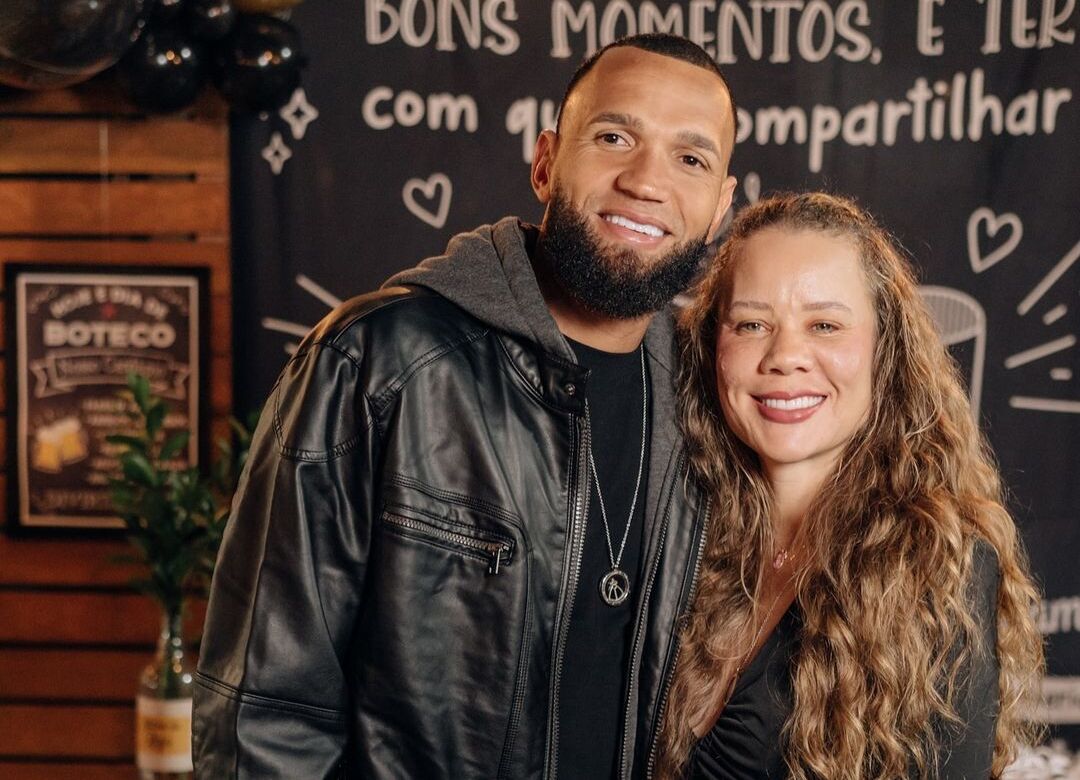
Everson's Wife Exposes Online Hate After Classic Brawl: A Deeper Look into Fan Toxicity
The world of football is often a crucible of passion, skill, and intense rivalries. However, beneath the roar of the crowd and the thrill of victory, there lies a darker undercurrent that can surface when emotions run high. This was starkly evident following the tumultuous Campeonato Mineiro final, where a dramatic on-field brawl between Atlético-MG and Cruzeiro players spiraled into an online hate campaign targeting the family of Atlético’s goalkeeper, Everson. Rafaela Vieira, Everson's wife, took to social media to expose the torrent of misogynistic, prejudiced, and deeply personal attacks she received, shedding light on the alarming extent of digital toxicity in modern sports fandom.
The Classic Brawl: A Spark Ignites a Firestorm
The match, a clash for the state title, was already charged with historical rivalry. Tensions reached a boiling point in the dying minutes when a confrontation erupted between Everson and Cruzeiro's midfielder Christian. Everson, reacting furiously after what he perceived as an aggressive challenge or 'encontrão' in the penalty area, pushed Christian, who was on the ground. This single moment ignited a full-scale melee involving players, substitutes, and coaching staff from both sides. The result was unprecedented: 23 expulsions, a record in Brazilian football history, leaving a regrettable stain on what should have been a celebration of sport.
Everson's actions on the field, though later apologized for, became a lightning rod for public outrage. Many fans, particularly from rival teams, saw him as the instigator, fueling an already fervent dislike. This was not Everson's first brush with controversy; he had previously made provocative statements, such as declaring that his team "doesn't lose finals," which only served to heighten animosity from opposing fan bases, including Flamengo supporters after a separate Copa do Brasil final. The perception of the *cara do Everson depois da briga* quickly solidified in the public eye, shaping the narrative that followed. For a more detailed account of the on-field events and rival reactions, consider reading
Everson's Briga: Brawl Fallout, Record Expulsions, & Rival Taunts.
Rafaela Vieira's Ordeal: A Wife Under Siege
What began as criticism directed at Everson swiftly mutated into a brutal onslaught against his family. Rafaela Vieira became the primary target, experiencing what she described as an invasion of her social media spaces. She bravely shared screenshots of the comments, revealing the horrifying spectrum of abuse she endured. These were not mere insults about the game; they were personal, hateful, and designed to inflict maximum pain.
The attacks encompassed various forms of aggression:
- Misogynistic and Prejudiced Remarks: Comments targeting Rafaela specifically *as a wife*, making demeaning and sexist assumptions about her character and role.
- Criminal Insinuations: Some disturbing messages crossed the line into making baseless criminal accusations and violent insinuations, linking Everson’s on-field aggression to his personal life. One particularly vile comment asked, "Does he only attack the opponent fallen on the field or his wife too?" Another warned her to "separate from this guy, if he did what he did to someone already on the ground, imagine what he could do to you?"
- Appearance Shaming: Many comments attacked her physical appearance, a common tactic used by online bullies to dehumanize and diminish their targets.
- Attacks on Family and Children: Perhaps most abhorrent were the remarks that dragged their children into the fray, questioning Everson's parenting abilities: "Your husband must educate the children very well, huh... deplorable everything he caused."
Rafaela articulated her disbelief at the mentality behind these attacks: "People attack me as a wife, make criminal deductions and insinuations, attack appearance, incite and support what was already wrong and perhaps believe they are in a position of superiority or that a 'public person' has to put up with it..." This highlights a pervasive and dangerous misconception that public figures, and by extension their families, are fair game for any level of abuse. The venom directed at the *cara do Everson depois da briga* extended beyond the goalkeeper himself, mercilessly targeting his wife, Rafaela Vieira, proving once again that online anonymity often breeds cowardice and cruelty. For a deeper dive into the broader social media impact on athletes and their families, read
Social Media Storm: Everson's Family, Faith, and Fan Attacks.
The Disturbing Trend: Faith Under Fire
Among the myriad of hateful messages, Rafaela noted a particularly perplexing and painful category: comments questioning her and Everson's faith. "It was the comments about faith that most caught my attention and brought me to this post," she revealed. Many attackers used religious rhetoric to condemn Everson's actions and, by extension, his family's spirituality. This hypocrisy deeply troubled Rafaela, who observed, "There are so many people in our society using religion with bad faith, and some people only noticed it now? Because of a football match?"
This isn't an isolated incident for Everson. Rafaela mentioned past situations where Everson's faith has been targeted, citing instances where religious items like rosaries were kicked, stolen, or thrown away during matches. It underscores a disturbing trend where personal beliefs, especially religious ones, become another weapon in the arsenal of online harassers, often from individuals who preach morality from behind a keyboard. It exposes a profound lack of understanding and respect, where a football game can seemingly nullify any sense of decency or spiritual conviction.
Standing Firm Amidst the Storm: A Call for Unity
Despite the onslaught, Rafaela Vieira demonstrated remarkable resilience. She made it clear that her family would not be intimidated or silenced by the hate. "We will remain firm and certain that God sees the heart and not just a life snapshot," she declared. Her message was not just about defending her family but also about advocating for a better society: "I will continue fighting for what I have always fought for: the union of all for a just and egalitarian society inside and outside football."
Her stance is a powerful reminder that victims of online abuse are not passive recipients; they are often courageous individuals fighting for dignity and change. Rafaela's call for unity and justice extends beyond the digital realm, urging a more empathetic and respectful approach to human interaction.
Everson himself addressed the controversy late on the Monday following the match. In a public statement, he recognized the gravity of his actions, stating that "nothing justifies" the lamentable scenes and offered an apology for his error. His acknowledgment, while coming after the fact, is a crucial step in de-escalating the situation and potentially fostering a more constructive dialogue. The perception of the *cara do Everson depois da briga* is now evolving, showing a public figure trying to mend fences.
Combatting Online Toxicity: A Shared Responsibility
The events surrounding Everson and his family serve as a stark illustration of the destructive power of online hate. While fan passion is an integral part of sports, it must never devolve into personal attacks, threats, or harassment. Here are some actionable steps for fans, clubs, and social media platforms:
- Promote Empathy: Encourage fans to remember that athletes and their families are real people with feelings, not just characters in a game.
- Report Abuse: Actively report hateful and abusive content on social media platforms. Platforms must also take more proactive measures to identify and remove such content.
- Educate and Inform: Clubs and sporting organizations should run campaigns to educate fans about responsible online behavior and the severe impact of cyberbullying.
- Hold Individuals Accountable: Where possible and appropriate, individuals who engage in severe online harassment should face consequences, whether from platforms, legal action, or public shaming.
- Support Victims: Create support systems for public figures and their families who are targeted by online hate, offering resources for mental health and digital safety.
Conclusion
The ordeal faced by Rafaela Vieira after the classic brawl highlights a troubling aspect of modern sports culture: the ease with which fan passion can curdle into vicious online abuse. It underscores the urgent need for a collective effort to combat digital toxicity, protect individuals from unwarranted attacks, and foster an environment of respect and sportsmanship. While the drama on the field is temporary, the scars left by online hate can linger much longer. Rafaela’s courage in exposing this dark reality, coupled with Everson’s apology, offers a glimmer of hope that through vigilance and advocacy, the beautiful game can truly remain beautiful, both on and off the pitch.